
Muscles are tissues made of fibres. They contract and relax to move. They are living engines of movement, metabolism, and resilience. They power the body and protect health. They prevent injuries and diseases. They slow ageing and even act like biochemical “brains.” These “brains” communicate with the rest of our systems.
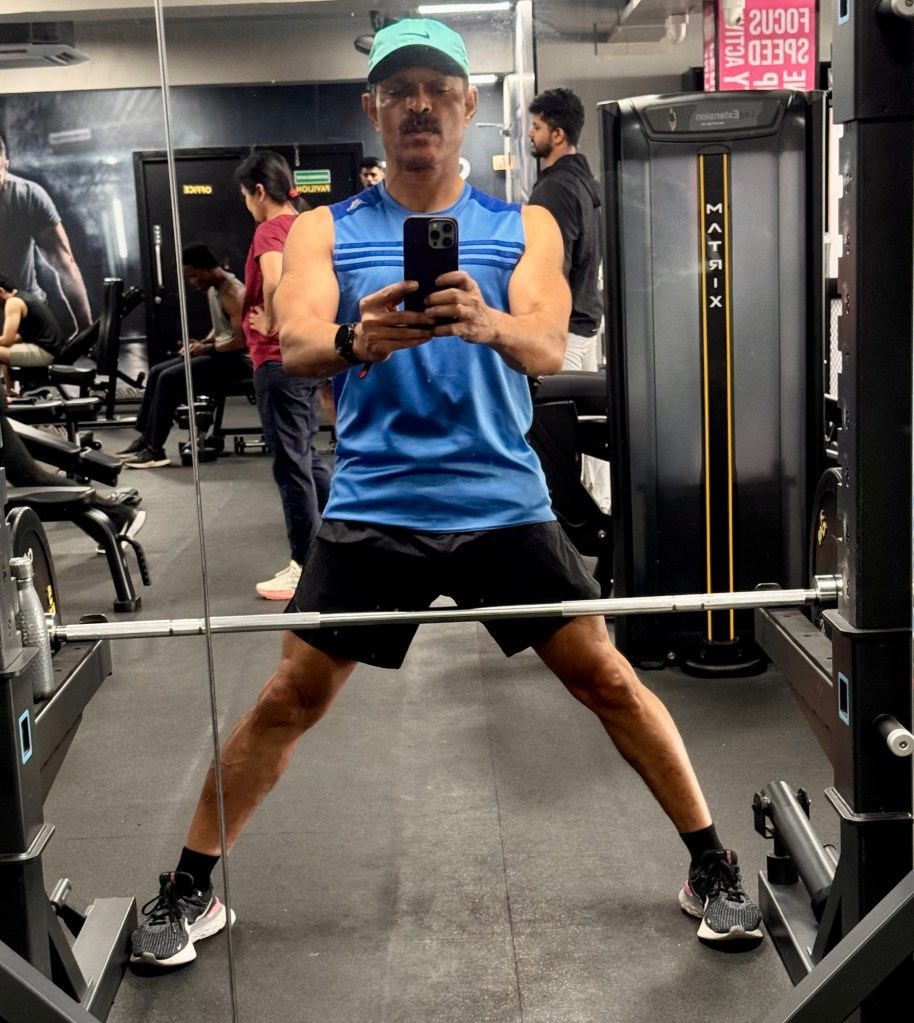
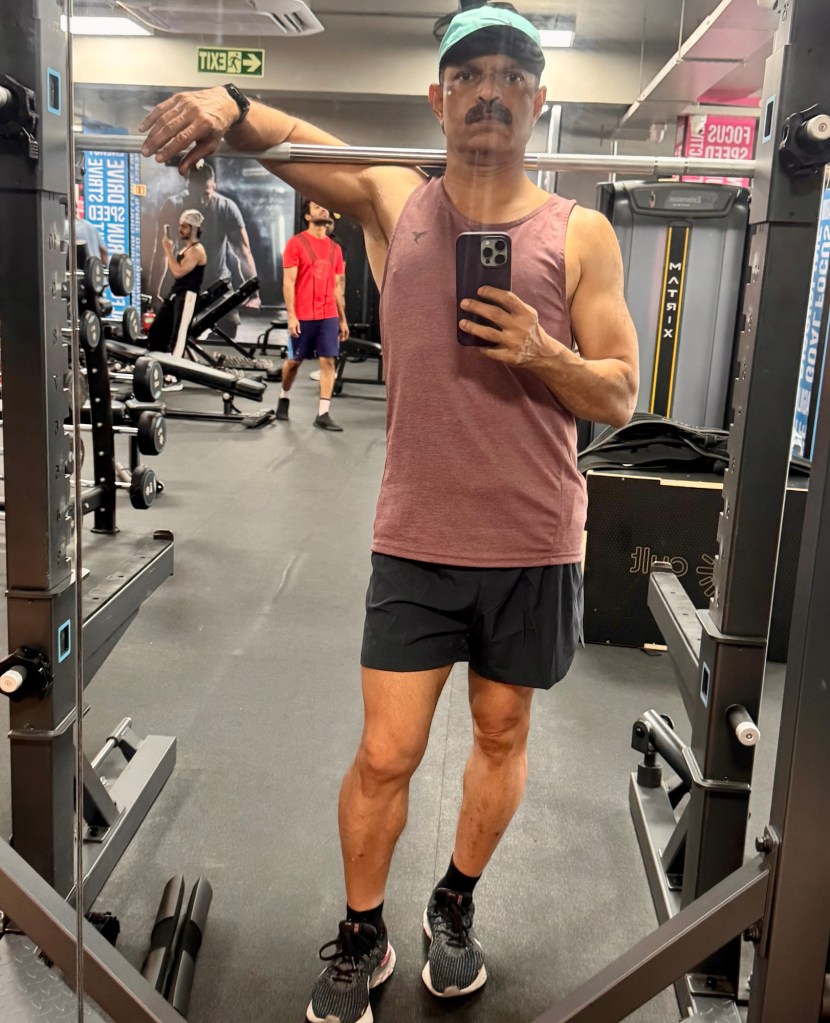
If you are not training your body, you are missing out on all the good functions of muscles. How do you develop muscles? It is simple but hard. Start strength training with lifting weights, resistance bands, or body weight exercises. This will stimulate muscle growth. Once comfortable, start progressively overloading to gradually increase resistance. This ensures continuous development. Follow a nutrition plan. Recover through rest and sleep to rebuild stronger muscles.
Muscle mass starts declining from around age 30, which accelerates with age, leading to weakness, falls and reduced independence. Your exercise regime is a fighting mechanism activating longevity genes, improving balance and preserving mobility. A healthy muscle mass increases life expectancy and better the quality of life.
Muscles act as a reservoir of vitality, restoring glucose, growth hormones and maintaining bone density. Muscles even enhance cognition and mental health.
“It is said muscles are the new brain”, – and communicate with the rest of the body. During exercise, muscles release myokines – chemical messengers that influence the brain, immune system, and metabolism. Cognitive function reduces inflammation and protect against neurodegenerative diseases. Muscles don’t just move us—they think biochemically, guiding longevity and mental sharpness.
Building and maintaining muscle through progressive resistance training, aerobic exercise, and protein-rich nutrition involves several steps. This is one of the most evidence-based strategies to slow ageing. It helps preserve cognition and extend health span.
Some of the easily measurable muscle metrics include:
- Lean Body Mass (LBM): total weight minus fat
- Skeletal Muscle Index: muscle mass relative to height
- Grip Strength: a strong indicator of muscle strength and longevity
- VO2 max contributions: muscles’ ability to sustain aerobic work.
After only aerobic activities like running, cycling, swimming, and walking, these exercises will strengthen endurance and metabolic efficiency. Nonetheless, they do not maximize the size or raw strength of muscles.
It is always better to have an exercise plan that includes both resistance training and aerobic activities.
There is hope for everyone. Muscle growth is possible at any age. Studies show that men in their 60s, 70s, and even 80s can gain muscle with proper resistance training.
Muscle growth potential is partly genetic, but most men never reach their full capacity.
Most men can gain ~40–50 pounds of lean muscle over a lifetime.
Those who start young and train consistently can maintain high levels of muscle mass into older age.
Some fun facts about Muscles!!
- There are 600 muscles in the body, making up 30 to 40 % of total body weight.
- The strongest muscle is the jaw muscle. Eye muscles are the busiest muscles; they move more than one lakh times a day as they adjust to focus. The largest muscle is the gluteus maximus (buttocks). The smallest is the stapedius in the ear. It is just 1 mm long and helps control sound vibrations. The longest muscle is the sartorius, running from hip to knee, helping us to cross our legs.
- Muscles do not just move; they generate heat, too.
- Muscles can only pull, not push.
- The tongue is not just a single muscle – it’s a complex group of muscles working together.
- Without exercise, people can lose up to 80% of their muscle strength by age 65.
- Muscles need water to stay lubricated and energized. Dehydration makes them stiff and prone to cramps.
- Muscles never sleep; even when we are resting, muscles like the diaphragm and heart keep working nonstop
- Muscle memory is real! Once a muscle is trained, it remembers, making it easier to regain strength after a break.
- Muscles are water-rich- about 75% of muscle mass is water.
- Muscles generate electricity.
- Muscles talk to fat – signaling fat tissue to burn more energy.
- Muscles adapt to stress.
- Muscles can twitch after death – electrical activity can cause small contractions for hours post-death.


 basavarajgoudar